Isábena Valley: Your Guide to the Pyrenees’ Best-Kept Secret
The Isábena Valley (Valle del Isábena) sits in the Ribagorza region of Huesca, right at the transition point between the high Pyrenees peaks and the rugged Pre-Pyrenees valleys and canyons. It is one of the quietest and least-visited parts of the mountain range, characterized by small stone villages, ancient Romanesque architecture, and trails where you rarely meet other hikers.

Canyons, Wildlife, and Natural Landscapes
The valley’s geography shifts dramatically from north to south, creating a highly dynamic landscape for driving, cycling, and hiking.
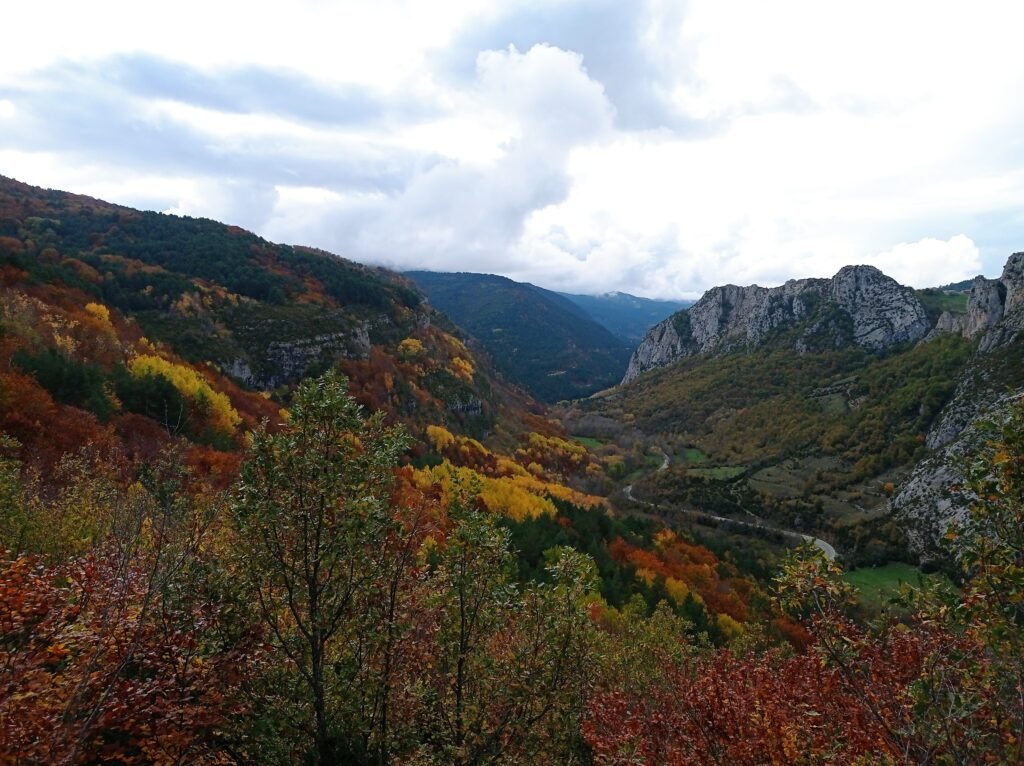
The Obarra Gorge: The road through this narrow limestone canyon follows the Isábena River and is particularly scenic in the autumn when the forest leaves change color.
Alto de Bonansa Trail: Near the upper part of the valley, a short, flat trail winds through the Pegá Forest to a viewing platform overlooking the high valley, built for families and anyone with limited mobility.
Bird Watching: The valley is a protected wildlife zone for the Turbón and Sierra de Sis mountains, making it easy to spot griffon vultures, golden eagles, and bearded vultures soaring along the cliff faces.
Dark Skies: Because there are no large towns in the area, there is virtually zero light pollution. A short walk outside any village brings you into total darkness, where the Milky Way is clearly visible.
Romanesque Architecture
The Isábena Valley is home to some of the oldest Romanesque architecture in the Pyrenees, with monumental stone sites built along its ancient river crossings.
Medieval Stone Bridges
Because controlling the river crossings was vital for trade and military defense in the Middle Ages, the valley is home to a series of historic stone bridges. As you travel along the main road parallel to the Isábena River, you can easily spot and walk across these preserved structures in the villages of Capella, Serraduy, Beranuy, and La Puebla de Roda.
The Monastery of Obarra
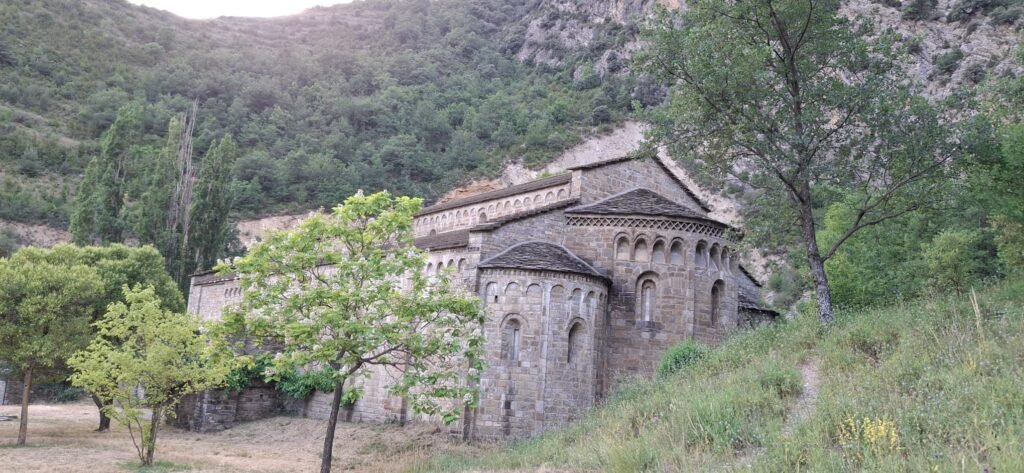
The Monastery of Santa María de Obarra sits at the foot of a sheer limestone gorge. Administratively, the monastery actually belongs to the tiny village of Calvera, located directly above it. If you visit Calvera, a quiet footpath winds down through the forest, allowing you to reach the stone basilica by a scenic trail that very few people know about.
Roda de Isábena
Perched on a high hilltop overlooking the lower valley, Roda de Isábena holds the distinction of being the smallest village in Spain with its own cathedral. The 11th-century Cathedral of San Vicente features an exceptionally preserved stone cloister and a restaurant located right inside the cathedral’s ancient refectory, allowing you to have lunch or dinner surrounded by centuries of history.

Rural Depopulation and the Ghost Towns of Ribagorza
Like many mountainous parts of Spain, the Isábena Valley experienced a massive wave of rural migration during the middle of the 20th century. As farming families moved to industrial cities for work, entire mountain settlements were left behind, functioning today as quiet historical snapshots.

Inside the municipality of Beranuy, two specific abandoned villages can be explored on foot, not far from the Monastery of Obarra.
Castrocit: Hidden deep inside a ravine, this village has sat empty for decades. Its 11th-century Romanesque church, San Cristóbal, was recently restored just in time to prevent it from collapsing.
Morens: A small village where stone houses are slowly being reclaimed by the surrounding forest. The last time we were there, the bell was still hanging in the badly deteriorated bell tower.
Hiking and Outdoor Sports
From ancient trails to breathtaking mountain vistas, the valley is a tranquil haven for hikers and outdoor enthusiasts looking to connect with nature away from the crowds.
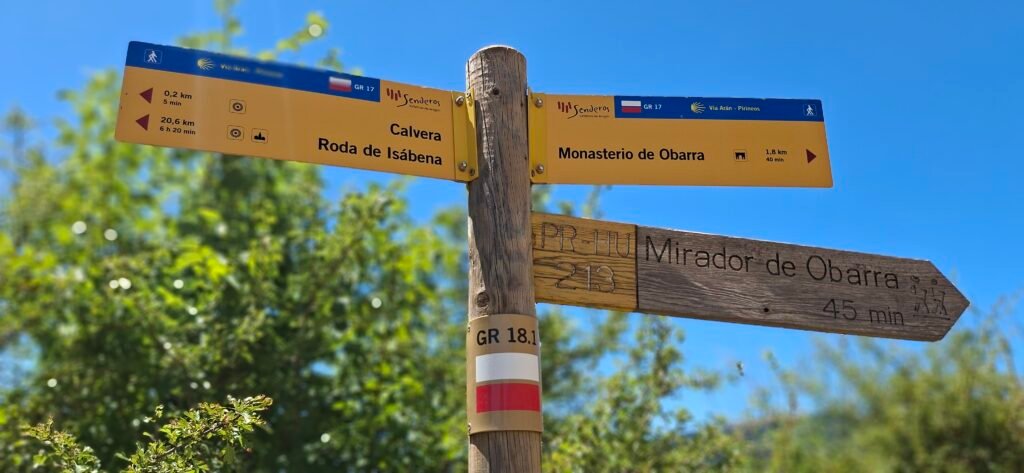
Village-to-Village Hikes: The valley’s network of GR trails connects the different villages and makes for fantastic day hikes. This includes a historic variant of the Camino de Santiago (the Vía Arán / GR-17 route), which allows you to walk past the Obarra Monastery and through medieval hamlets all the way to Roda de Isábena.
Via Ferrata de la Croqueta: Located right in the Obarra Gorge, this is a technical, vertical K4-level iron path designed for experienced climbers.
Cycling & Water Sports: The wider Ribagorza region features over 30 marked mountain biking routes. Nearby rivers and lakes offer whitewater rafting, canyoning, kayaking, and paddleboarding.
Where to Stay: Casa Puixico in Calvera
If you are planning a trip to explore the region, the village of Calvera makes a practical, central basecamp. Perched at 3,900 feet with fewer than ten year-round residents, it sits right where the landscape starts to change, featuring a tremendous gorge on one side and a more open valley on the other.
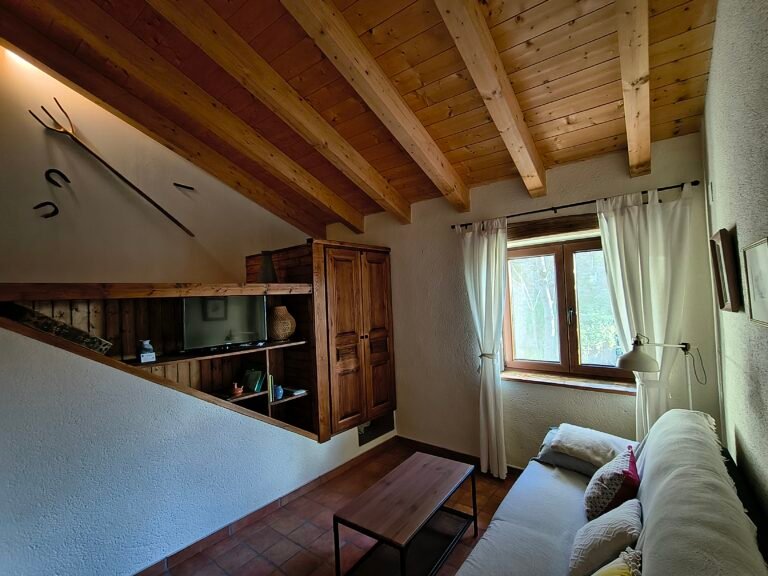
Calvera is also home to Casa Puixico, a modern vacation rental that has been tastefully and comfortably designed. Boasting premium features such as underfloor heating and cooling and a private covered patio, it gives you a quiet, comfortable place to return to after a day exploring the trails, gorges, and historic secrets of the valley.